

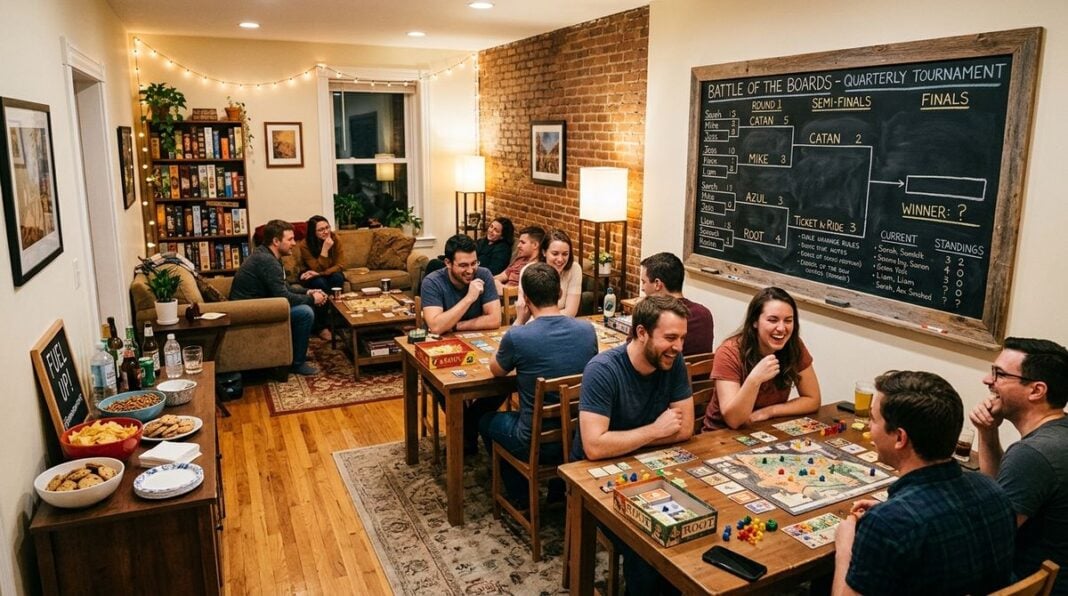

Garden shops that host game nights for their regulars often discover that planning takes longer than the evening itself. Two people build a sign-up sheet, a third person drafts the same reminder, and the setup crew receives a schedule that differs from the one the cashier was given. This article looks at the double work hidden in that process and shows how to plan each event from one shared source.
Spot the Planning Duplicates
Begin by writing down every task that goes into a single evening, from the table layout to the reminder message. Next to each task, note who started it. Overlaps show up quickly. Often two people have each drafted a list of prizes, or someone has rebuilt a floor plan that already sits in a folder somewhere else in the building.
Readers may also want to visit 10speakers. That advice is useful, but the fastest gain comes from reading your own calendar as a set of repeated tasks. Once the repeats are visible, the fixes are usually obvious and inexpensive.
Build One Event Calendar
One shared calendar is the cheapest way to prevent double planning. Each game night gets one entry with the date, the setup time, the staff member in charge and the list of supplies. Everyone checks the same entry rather than their own notes. Changes are made in one place, so a moved start time does not leave two versions in circulation.
A calendar only saves effort when the whole crew opens it before every shift. You can also visit bestcameraworld.com for more reading. When a new event is proposed, the first question should be whether an existing one can be adapted instead of created from nothing. Most of the time, a repeat night with one new feature is enough to keep regulars coming back.
Reuse Game Setups Across Nights
Many game nights use the same tables, cards and rules sheets. Store a complete setup kit in one labeled bin, with a checklist taped to the lid. The next event then starts from that kit rather than from a fresh search of the storeroom. Reusing equipment turns a full rebuild into a quick restock that a single person can finish in minutes.
For a related read on this site, see Moving Customer Records Once Instead of Rebuilding Them. Those guides are handy for ideas, but a layout that works in one shop usually needs small changes in another. Save the adjusted version in the bin so the adjustment does not have to be worked out again the next time the tables go out.
Send Each Reminder Once
Reminder messages are another common duplicate. A customer who receives a flyer, a text and an email about the same evening is more likely to ignore all three. Choose one channel for each event and send one reminder close to the date. Track who is signed up in a single list so nobody receives a second invitation to a seat that is already filled.
Staff who answer questions should work from the same answer sheet. When each person writes a reply from memory, the details slowly drift apart, and customers receive conflicting answers. A shared sheet ends the repetition of the same explanation at the counter and keeps the story consistent from one shift to the next.
Share the Setup Work
A common pattern is that one person sets up every event while the rest of the team watches. The result is a bottleneck, and a repeated scramble whenever that person is away. Rotate the setup duty among two or three staff members, and give each one a written checklist. The task is then done once, by whoever is on shift, rather than being redone when someone double checks it.
After each night, spend a few minutes noting what needed fixing. Items such as a missing chair or a wobbly table often return because nobody recorded them. A short note on the calendar entry stops the same fault from being rediscovered the following week, and it gives the next host a head start.
Measure What Repeats
At the end of each season, compare your event notes with the calendar. Look for the same problem appearing again, the same supply bought twice or the same message sent in two formats. Each repeat is a sign that the process has a gap. Close that gap first, and the next season will feel noticeably lighter for everyone involved.
Talk with regular players as well. They notice when the same question is answered three times, and their feedback is a quick way to find friction that you have stopped seeing yourself. Their suggestions often point to the simplest change of all, which is to stop doing a task that nobody needs.
One Plan for Every Evening
Garden shops thrive when their events feel effortless to customers, and that ease usually comes from careful planning behind the scenes. One calendar entry, one kit and one reminder per event remove most of the duplicate effort. Start with the next evening, and let the process grow as the regulars do.