

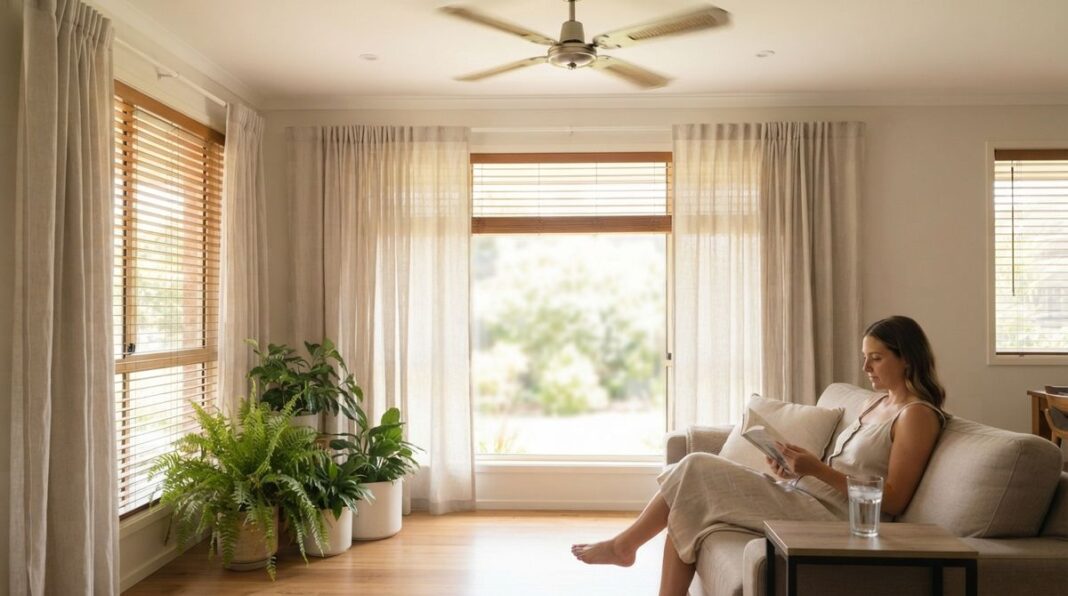

A reception area is usually the first room a visitor enters, and it sets the tone before anyone says a word. Owners and managers often focus on furniture and signs, yet the light falling across the floor and the colors on the walls shape how long people wait and whether they feel at ease while they do. These choices are easy to overlook because they seem like background details, but they affect the first impression of the whole business.
The good news is that the adjustments are usually modest. A few bulbs, a fresh coat of paint with the right sheen, and a careful look at where chairs sit can change the feel of a room within a single afternoon. This article walks through the decisions in plain terms so you can judge your own space with fresh eyes.
Warm Light Versus Cool Light
Readers may also want to visit runwonder.com. Light color temperature is one of the first things that shapes the mood of a room, since warm light feels softer and cool light feels crisp and businesslike. Neither is better in every case, because the right choice depends on what the room is for and how long people stay.
A front desk that handles quick check-ins may suit a cleaner white light, whereas a waiting area where people sit for a while often benefits from a gentler glow. Mixing the two in one room is common, as long as each lamp has a clear job. Test the bulb in the actual room before buying a full set, and try it at the busiest hour of the day when the light matters most.
Wall Color and Visual Calm
You can also visit supplementsangles.com for more reading. Those guides explain sheen levels and how paint behaves under artificial light, which matters more than most people expect. Wall color also has a strong effect on how people judge the size of a room, so it is worth getting right the first time.
Pale neutrals make small rooms feel open, and deeper tones can make a large room feel more intimate. Very bright accents draw the eye quickly, which helps a sign or a feature wall but tires people when every surface competes for attention. Matte or low-sheen finishes reduce glare from overhead fixtures, so visitors can read forms and screens without squinting. Many small offices find that one calm base color with a single accent works better than a busy scheme.
Consider the room at different times of day as well. A color that looks warm at noon may appear grey under evening light, and a wall that seems soft in the morning can turn flat once the blinds are closed. Test samples on more than one wall and check them in the morning and again in the afternoon. A large sample board tells you more than a small chip, because the color has room to show its true tone.
Layout That Guides the Eye
For a related read on this site, see How a School Kitchen Layout Shapes Lunchtime Choices. A clear path from the entrance to the desk prevents the hesitation that makes visitors stop in the middle of the floor. Measure the walkway, then walk the route yourself as if you had never seen the building before.
Any spot where you pause or look around for a sign is a spot where a visitor will pause too. Place the desk where it catches daylight from the door without shining into the eyes of anyone standing in front of it. Seating set back from the path gives people a place to wait without blocking traffic, and a low side table nearby gives them somewhere to set a bag.
Making Small Changes That Last
Start with the change that costs least and shows the most. Replacing one harsh fixture with a warmer bulb, moving a plant that blocks a sightline, or repainting the wall behind the desk can each shift how a room feels. Signage should sit at eye level in a color that contrasts with the wall behind it, and the same few colors should repeat across the room so the eye learns the pattern quickly. When one color means check in here and another means wait here, visitors need less help and staff answer fewer basic questions.
Record each change alongside what visitors say, so you can see which adjustments helped and which did not. Staff can also note the questions that come up most often, since a clearer layout usually answers them before they are asked. Keep each change small enough that you can undo it without fuss. Over time, a handful of careful decisions add up to a reception area that feels deliberate rather than accidental.
Keeping the Front Room Working
The front room is a working tool, and it earns its keep when people walk in feeling oriented and at ease. Look at it the way a first-time visitor would, then decide where light, color and layout can do more of the work. Revisit the room once each season, because daylight and daily traffic both shift over time, and a short walk-through keeps the space matched to how the business actually runs.