


Samples pile up quickly in a small clothing studio. A single collection can produce dozens of prototypes, pattern drafts, trims, and fabric swatches, and each piece matters when a buyer asks for a reorder. Without a clear order, the team spends its best hours hunting for a sleeve or a color card instead of designing. A simple sorting plan keeps the studio productive from one season to the next.
This article explains how to group samples, label them consistently, and store swatches so they stay accurate over time. The advice is written for owners and design leads who run a studio with a few staff, and it avoids expensive shelving systems. Clear habits matter more than furniture, although the right furniture helps those habits last.
Grouping Samples by Collection and Stage
Start by dividing every sample into three rough stages: finished pieces ready for buyers, prototypes still under review, and rejected drafts that no longer serve a purpose. Finished pieces deserve the best rail space and a protective cover, since fabric collects dust and marks quickly. Prototypes can sit on a secondary rail near the workroom, where designers can reach them while making changes.
Within each stage, group samples by collection name rather than by garment type. A jacket from one season should sit beside its matching trousers and trims, because buyers and pattern makers usually ask for a full look rather than a single item. Readers may also want to visit FamilyFella.com.
Labeling Garments and Swatches Consistently
A consistent label saves more time than any other single habit. Each sample should carry a tag with the collection name, the style code, the size, and the stage it belongs to. Use the same order on every tag so a team member can read it at a glance, and print the tags in a plain font that stays legible after handling.
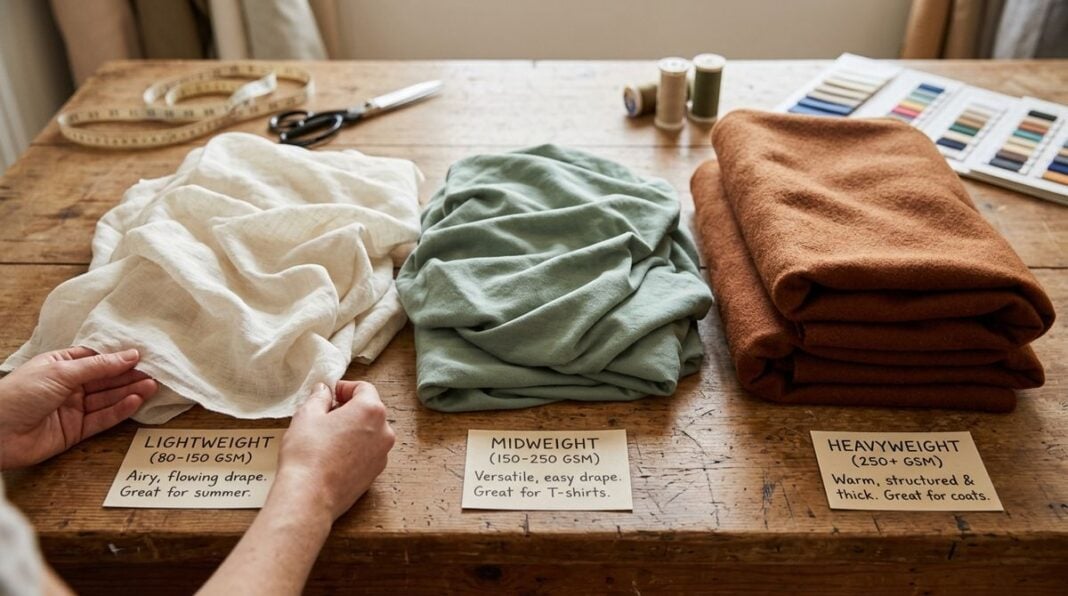
Fabric swatches need their own labeling plan. Attach each swatch to a card with its fiber content, weight, supplier reference, and the garment it was matched to. Keep the cards in a binder sorted by fabric family rather than by arrival order, since designers usually search by feel and color first. You can also visit thenewsdetail.com for more reading.
Storing Swatches So They Stay Accurate
Light and humidity change fabric colors over time, so swatch storage needs thought. Keep the binder away from windows and direct sunlight, and store it in a dry room where moisture cannot collect on the pages. For a related read on this site, see Client Folders for a Service Business Built Around. A closed cabinet with shallow drawers works well for loose swatches that do not fit inside a binder.
Record the storage date on each card, and refresh any swatch that has faded noticeably. A faded swatch can mislead a buyer and create costly fitting problems later. Fresh samples are inexpensive compared with a finished order that does not match the reference.
Keeping the Studio Organized Between Seasons
Storage habits fade without regular upkeep. Set a short monthly sweep in which one team member checks that every rail label matches its contents and that rejected drafts have left the workroom. Keep the sweep brief enough to finish during a normal production break, so it does not feel like an extra project.
Assign the record book to one person who signs off each change. A shared sheet kept on a clipboard near the cutting table works well when several people touch the samples each day. When a new design assistant joins, walk them through the stages, read two or three tags aloud, and show where the swatch binder lives. Clear ownership prevents the common problem of three people each assuming someone else had already logged a change.
Regular handover notes help the studio avoid lost samples when staff change. A short page listing open fittings, borrowed garments, and swatches out for supplier review gives the next person a clear starting point. Store that page with the binder so that it is always found in the same place.
Borrowed garments should return to the rail within an agreed period, and the person who borrows a sample should record the return on its card. A quick weekly check confirms that every loan has a matching note and that someone is following it up. Loans that run on too long are often the first sign that a collection needs a clearer plan.
Samples That Stay Findable
A well-kept sample room gives a studio room to think. Garments hang where they can be seen, swatches match their cards, and the tags tell the story of every collection. The habits are simple: group by collection, label in the same order, and check the stock at a steady pace. When the room begins to slip, fix the part that fills up first rather than rebuilding everything at once.