

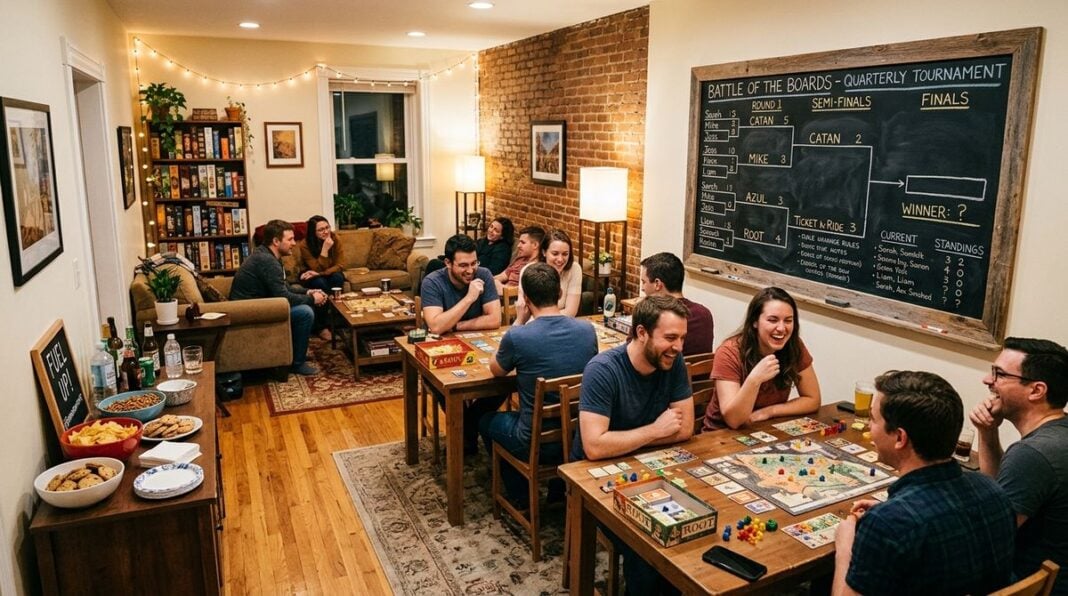

A small game shop often wears two hats at once. It sells stock to shoppers who browse the shelves, and it hosts tournaments, release nights and club meetings that fill the back room. Those two roles collide easily. A rush of players can block the aisles, a tournament can run long, and a visitor with a question about a rare title can pull staff away from the event desk. This article looks at how owners keep the shop running smoothly when events, customers and surprises break in.
Planning Event Nights Around the Floor Plan
Every event begins with a clear map of the space. Decide which areas belong to shoppers, which belong to players and which are reserved for staff. Mark those zones on a simple diagram and share it with everyone who works the floor. A defined layout keeps the main aisles open and reduces the number of times staff must stop to explain where things are.
Schedule events for quieter hours where possible, and keep the most crowded setup away from the checkout. Readers may also want to visit cookiebot. Build in time before each event for resetting tables and checking stock. That reset window absorbs most of the small emergencies that otherwise spill into opening hours.
Tournament Delays and Player Questions
Tournaments rarely finish on the time printed on the flyer. A match may run long, a player may arrive late and the bracket may need a quick rearrangement. Each delay generates questions from players and their friends who want updates. Appoint one organizer to manage the bracket and one person to answer questions, so the event desk does not become a bottleneck for the rest of the shop.
Post a short schedule on a board that players can read from their tables, and update it whenever the timing shifts. A clear board answers many questions before they are asked. You can also visit bbcworldservicetrust.org for more reading.
Shoppers Who Interrupt the Event
Some interruptions come from shoppers who arrive during an event and want attention right away. A customer may ask whether a particular title is in stock, or request a recommendation while the event judge is busy. Keep one staff member at the sales counter during events, and give that person a shortlist of common questions to handle quickly. Event staff can then focus on the players without leaving the shelves unattended.
Give shoppers a friendly way to get help by posting a sign that explains where to ask. Offer to hold items at the counter so customers can continue browsing without rushing. A thoughtful routine like this keeps the shop welcoming even when the back room is full. For a related read on this site, see Internet Outages and the Small Office Routine That.
Stock Protection During Busy Nights
Event nights carry a risk for stock. Items can be moved to the wrong shelf, opened accidentally or left on tables that become crowded with cards and dice. Assign a quick closing check at the end of each night, and keep high value items in a locked display case. A simple stock count afterward reveals whether anything went missing before the next session begins.
Set clear rules for players about where bags and coats should be stored, and enforce them consistently. Clean tables help protect product as well as the atmosphere. Keep a small box for loose pieces and small accessories, labeled so that staff can return them quickly. Organized handling protects both sales and trust.
Think about the seating plan on busy nights as carefully as the event schedule. Keep the path from the door to the counter clear of tables, and place the most popular games where players can find them without asking. A quiet corner for newcomers can also help, since it gives them room to watch before joining in. Thoughtful seating reduces collisions and keeps the atmosphere friendly for everyone who walks through the door.
Keeping Events and Sales in Balance
A healthy event calendar supports the shop rather than overwhelming it. Track sales on event nights and compare them with regular trading days to see whether the events bring in new customers. Use the results to decide how often to host events, which formats to keep and when to pause a series that is not working. A balanced calendar keeps the shelves stocked and the event room lively.
Talk with regular players and shoppers about what they enjoy, and ask what could make the nights run more smoothly. Feedback often points to small fixes, such as clearer seating or shorter check in lines, that have a large effect on the experience. Adjust the plan based on those comments, and share the changes openly so the community feels heard.
Schedule a short staff debrief after every major event, and note what went well and what needs fixing. Record how long the bracket ran, how many questions reached the counter and whether any stock was misplaced. Use those notes to refine the next event sheet, so each night starts from the lessons of the last one. A shop that learns this way becomes calmer with every new event, and regulars often notice the difference before anyone mentions it.
Keep the event sheet on the same board as the shelf plan, so the manager can see at a glance how many players a room can hold alongside the usual shoppers. Pair that view with a simple list of volunteers and their assigned posts. Clear pairing of space and people makes it far easier to decide whether a new format will fit on a particular evening.
A Shop That Handles the Unexpected
A game shop that hosts events succeeds when it treats interruptions as part of the routine. Plan the floor carefully, keep one person on the counter during busy nights, post clear schedules and protect stock with simple checks. With those habits, the shop can welcome players and shoppers at the same time, and the shelves can stay as organized as the tournament brackets.