

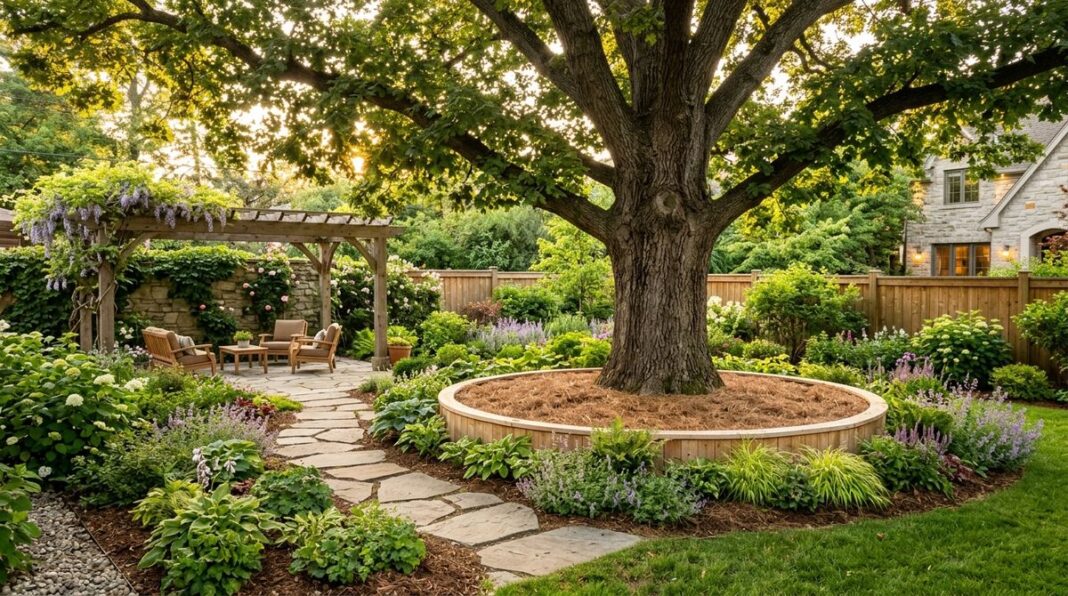

Garden designers sometimes receive requests from places they never expected. One online community of digital coin hobbyists wanted a shared courtyard for its occasional in person meetups, and the designer had to present a finished plan to people who mostly knew one another through screens. Showing completed work to a remote audience changes the rhythm of the conversation, and it changes how reactions arrive. This article looks at preparing that presentation, reading the room through a video window, and responding to feedback with care.
Sending the plan before anyone gathers
Send the design board ahead of the call so reviewers can study it at their own pace. Keep the file light enough to open on a phone, and label each zone with a short name such as seating, planting or path. Readers may also want to visit win-prizes-money.com. A plan that arrives early gives the group time to form questions, and those questions usually make the live session more productive.
Time zones matter more than most designers expect. A group that spans several regions will rarely be free at the same hour, so offer two possible times and say plainly which one you prefer. Confirm the time in writing and include the length of the session. People who know exactly what they are signing up for tend to arrive with better questions.
Explaining the plan with plants people can picture
Name each plant by what it does in the space, not only by its botanical label. A shade loving groundcover, a seating screen of tall grass or a fragrant border near the door gives a remote viewer something concrete to imagine. Describe watering needs, the seasonal look and a rough upkeep schedule so the group can see the finished courtyard through time. You can also visit usacommercedaily.com for more reading.
Avoid overpromising. Say what a plant tends to do in a typical setting, and explain that the local site will decide the outcome. When a viewer asks about a specific result, describe the range of likely outcomes rather than naming a single one. That honesty makes the rest of the presentation easier to trust.
Reading reactions through a screen
Remote reactions are quieter than reactions in a room. Some people type in the chat, some unmute to ask a question, and some say nothing while they take notes. Treat silence as thought rather than rejection. Ask the group which part they would like to discuss next, and give each comment a brief acknowledgment before moving on. For a related read on this site, see Reporting Wellness Challenge Results Honestly.
Watch for the person who agrees too quickly. A fast yes can hide a concern that the person does not yet feel comfortable raising. Invite that person by name to add a thought, and make it clear that a no is as useful as a yes. Those small invitations often bring out the comment that would have shaped the final plan.
Keeping costs and design in separate conversations
Digital coin hobbyists tend to ask sharp questions about cost, and those questions deserve straight answers. Break the estimate into materials, labor hours and upkeep, and explain how each line connects to the design. Keep the discussion focused on the space itself rather than on any side topic. A garden business sells a physical result, so the conversation should return to what will be built, how it will be maintained and when the work can begin.
If a participant drifts toward talk about financial returns or market moves, politely redirect. Say that the design conversation is the purpose of the session, and offer to send a written estimate afterward. That boundary protects both sides and keeps the presentation on the work the group actually hired you to discuss.
Answering feedback after the call
Reactions often arrive by message after the call, sometimes late at night and sometimes in short bursts. Reply to each one within a day, and thank the sender for the specific point. When a suggestion would change the design, explain the trade-off rather than promising a change you have not tested on paper. A reply that names the trade-off earns trust even from people who wanted something different from the one you proposed.
Group the comments into themes before revising. Three or four themes usually cover most of the feedback, and each theme points to a clear decision for the next board. This sorting step keeps the revision from becoming a long list of small edits that never add up to a coherent plan.
Walk the group through the seasonal calendar before the final approval. Show what the courtyard looks like in early spring, midsummer and the cooler months, because a plan that looks lively in one season can feel empty in another. A calendar view turns abstract worries about maintenance into a picture the group can share, and it often reveals a bed that needs a different plant or a path that needs more light.
Offer the group a short written summary that lists each decision and the reason behind it. Keep the summary to one page, with the cost ranges separated from the design notes. Many reviewers print the page and mark it before the next call, which gives you a second round of comments without another long meeting.
Returning with a revised board
Send a revised board that shows how the group’s comments changed the plan. Mention each change by name so the group can see that its feedback mattered. A short note with the revised board usually turns a quiet audience into an engaged one, and it leaves the door open for the next project. The strongest proof of a careful presentation is a second conversation that starts where the first one ended.