

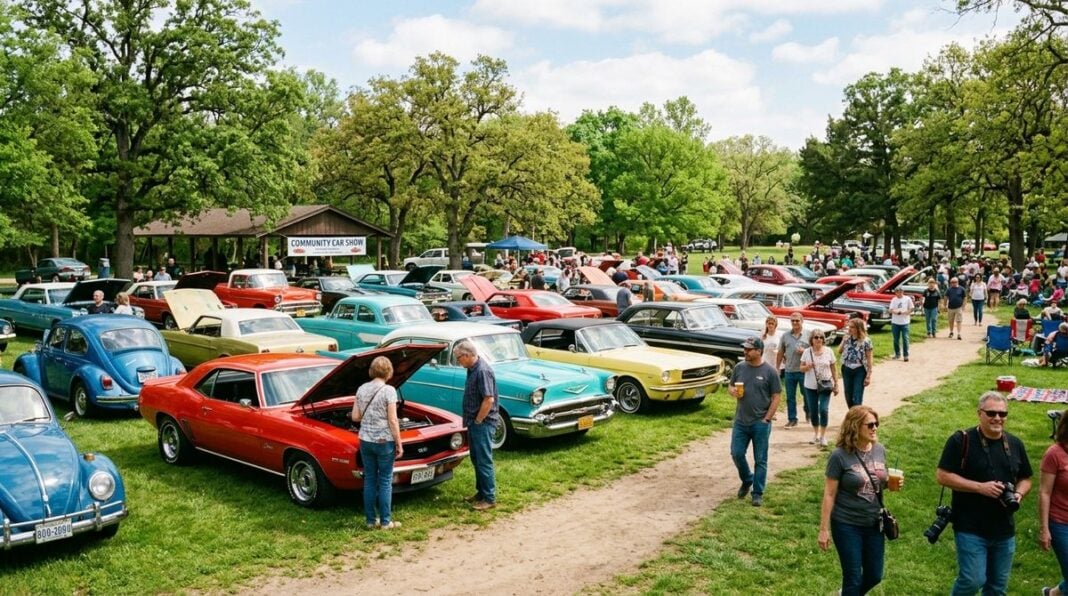

A detailing booth at a race day event brings a steady stream of drivers, families and fans who want a quick clean and a friendly chat. The booth works best when every item is ready before the gates open, yet many small firms learn that lesson only after a missed delivery or an empty supply shelf. Working back from the race day itself shows which tasks need early attention and where a small slip could spread into a larger problem. The plan below fits any local motorsport or community car event. It applies equally to a one person operation or to a crew of several.
Setting the Race Day as the Anchor
Begin with the exact hours the gates open, the hours the track closes and the hours the vendor area is accessible. Confirm the parking and loading windows with the event organizer, because late arrivals often lose the best spots. Print the vendor rules and keep them in one folder for quick reference. Readers may also want to visit provedorcrescenet.com. Mark the race day as the point that cannot move, and count every other task backward from it. Share the anchor with the crew in writing, along with the gate hours and the parking route. A single printed sheet on the workshop wall keeps everyone working from the same plan.
Vehicle Scheduling and Client Buffers
Customer bookings at an event tend to bunch up in the first hour, so build a buffer between appointments. Plan short slots for quick washes and longer slots for interior work, and keep one open gap for overflow. You can also visit 3aam.com for more reading. If a vehicle runs late, the buffer protects the rest of the day from sliding. Post a simple sign that explains the booking process so visitors know what to expect before they join the line. Staff can then point newcomers to the right queue without any confusion. Assign one person to watch the queue and call the next vehicle forward. Keep a simple list of walk up requests so nobody is missed during the busiest part of the afternoon.
Equipment Service and Product Lead Times
Pressure washers, extraction machines and polishers need a service check well before the event. Order replacement pads, towels, cleaning chemicals and dispensers early, because suppliers may run short during busy seasons. For a related read on this site, see Commercial Lease Milestones Worked Back From a Move-In. Store spares in a separate box so a single cracked hose does not stop the whole booth. Keep a small emergency kit in the service vehicle as well, with fuses, cable ties and a spare adapter. Label each spare part with the machine it belongs to, so a replacement can be found in seconds. Ask the supplier to confirm stock levels in writing before the order is placed.
Staffing, Shifts and Training
Write a shift roster that covers setup, the busiest hour and breakdown. Make sure each person knows which cleaning steps they own and how to flag a problem without leaving the bay. A short practice session at the workshop helps new helpers match the quality standard before the crowds arrive. Keep a contact sheet for every person on the roster in case plans change at short notice. Staff who arrive rested and informed usually produce a better result, so build breaks into every shift and rotate the hardest tasks. Agree on a simple signal that a helper can use to ask for support without leaving the bay. Brief the roster again at the start of each shift so that changes are shared quickly.
Test Runs on a Practice Vehicle
Run the full cleaning sequence on a practice vehicle a few days before the event. Time every stage, from the first rinse to the final buff, and note any step that takes longer than expected. Check that the water supply, power outlets and shade covers all work together without tripping a breaker. Fix the simplest problems on the spot and assign an owner for anything that needs a supplier. A test run during the buffer period is much cheaper than a surprise on race morning, and it gives the crew a chance to practice the handoffs between stations. Note which tasks depend on another person, because a delay at one station can stall the whole line. Adjust the order of work until the handoffs run smoothly.
Tracking Each Commitment Week by Week
A shared tracker with columns for task, owner, due point and status keeps the plan clear. Write each due point as a count of days or weeks before the race day rather than as a fixed calendar entry, so the tracker stays accurate if the event moves. Review it at the same time each week and mark anything overdue in a bold color. When a task slips, use the buffer first and keep the race day unchanged. Small, steady checks prevent the last week from becoming a scramble. Hold a short huddle at the end of each review so every owner states what is finished and what is still open. Record the decisions in the tracker before the huddle closes.
Closing: After the Checkered Flag
When the event ends, record which tasks finished on time and which ones needed the buffer. Note the supplies that ran low and the equipment that needed attention. Those notes become the starting point for the next race day and speed up each backward count. A plan written with room for delay tends to produce calmer and steadier weekends, and the notes make every later plan easier to build.