

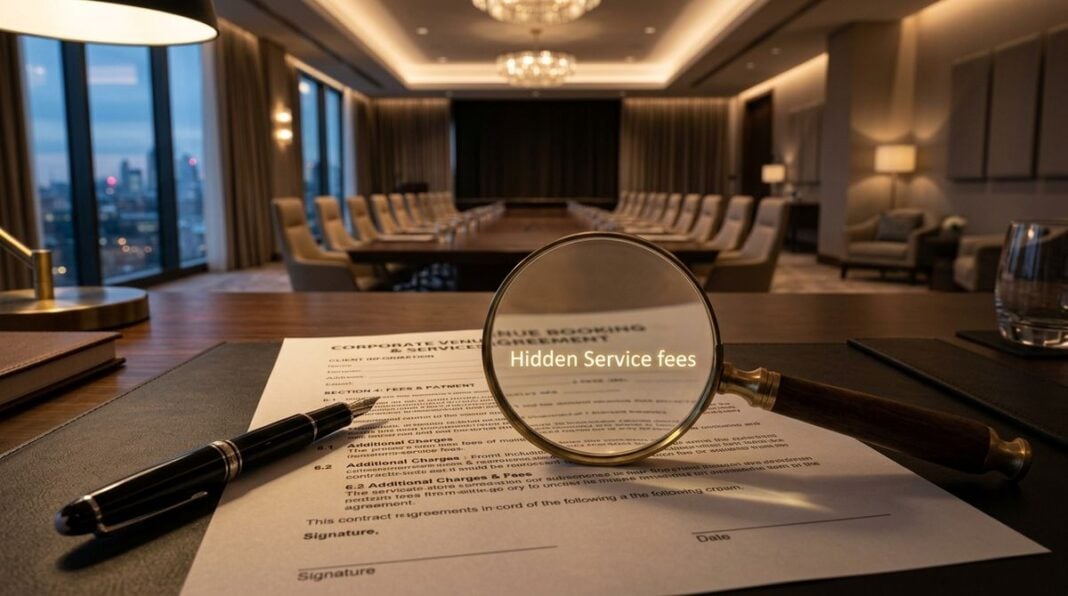

A landscaping contract looks simple once the lawn is mowed and the beds are edged, but the paperwork that starts the job can carry mistakes that cost far more than a missed weed. Business owners often write a standard agreement once and reuse it for years, which means small errors travel from one client to the next without anyone noticing. This article walks through a practical way to review your own paperwork so that the first person to find a problem is you, not a customer or an outside reviewer.
Good review starts with a clear purpose. Read the document as if you were the client who has never seen your work before, and ask whether every promise can be understood without help. A short pause between writing and reviewing makes this easier, because fresh eyes catch sentences that felt complete when you typed them. The goal is not polished prose but an agreement that matches what your crew will actually do on the property.
Why the Scope Section Carries the Most Weight
The scope section describes the work itself, so it deserves the closest reading. Compare it line by line with the estimate you sent, because a mismatch between the two invites disputes later. If the estimate lists seasonal cleanup but the contract only mentions mowing, the client may reasonably expect more than your crew plans to deliver. Readers may also want to visit montefeltro.net.
Next, look for words that leave too much open. Phrases such as regular upkeep or as needed can mean different things to different readers, so replace them with visit frequencies, areas and named tasks wherever possible. A client who reads that edging happens every visit will have a different picture than one who reads that the crew tidies edges when time allows. Specific language protects both sides and makes the next review faster.
Checking Payment Terms and Change Orders
Payment terms are the next area that needs a careful second look. Confirm the due dates, the accepted payment methods and the amount for each stage of the job, and make sure those figures match the estimate. Many small firms discover that their invoice schedule was copied from an old template and no longer fits the way they bill. You can also visit Santorini-Resort for more reading.
Change orders need the same attention. Describe how extra work is approved, how it is priced and how the client receives a written record before the crew starts. If the agreement says nothing about changes, the first unplanned request becomes an argument. Reading this part aloud helps you hear whether the process sounds fair and easy to follow.
Rereading Liability and Cancellation Language
Liability and cancellation clauses are where the stakes rise, and they are also where templates often go stale. Read these paragraphs slowly and ask whether they still describe your insurance, your weather policy and your notice period. For a related read on this site, see Travel Policy Rules Partners Argue About. Your own reading still matters, because it catches obvious contradictions before an outside reviewer has to spend time on them.
Cancellation wording deserves particular care. A clause that lets either party end the work at any time can be workable for one season and damaging for another, so check how refunds for materials and labor are handled. Make sure the deposits and notice periods agree with the payment section. When a figure appears in two places, confirm that both versions say the same thing.
Common Gaps Hidden in Plain Sight
Some gaps appear only after the contract is signed. Look for missing contact details, unclear site access rules and no note about pets or irrigation systems the crew must avoid. Each omission is small on its own, but together they create friction on the first day of work. Ask someone on your team to read the agreement without seeing your notes, because their questions will show you which sentences rely on knowledge that lives only in your head.
Turning the Final Pass Into a Routine
A review is only useful if it happens every time. Build a short routine that starts with the scope, moves through payment and ends with cancellation, then save the checked version as the master copy for future jobs. Keep a note of the changes you made so the next review begins from a clearer baseline. Revisit the master copy whenever insurance, pricing or services change, and read each revision aloud once before it reaches a client. That habit keeps the paperwork in step with the work your crew performs on the ground.