


A well-designed outdoor space has the power to transform a property in ways that go far beyond aesthetics. Thoughtful landscaping can improve environmental health, increase property value, boost curb appeal, and create inviting areas for relaxation and recreation. From small suburban yards to larger garden plots, smart landscaping choices help homeowners cultivate outdoor spaces that are both beautiful and sustainable.
In recent years, many people have begun to rethink traditional lawn-only yards in favor of greener, more purposeful landscapes that support biodiversity, improve soil health, and make better use of limited water resources. Whether you’re starting with a blank slate or refreshing an existing yard, understanding the principles of good landscape design can help you achieve a harmonious and functional outdoor environment.
What Good Landscaping Really Means
At its core, landscaping is more than planting pretty flowers or trimming grass. It’s about creating a cohesive plan that considers plant selection, soil quality, water management, and how people will interact with the space. Thoughtful design balances visual appeal with practical needs like shade, privacy, and accessibility.
Plant choices play a central role. Native plants and well-adapted species tend to be hardier and require fewer inputs like water and fertilizer. They also support local wildlife—including pollinators like bees and butterflies—which contributes to a healthier ecosystem right in your backyard. Grouping plants with similar light and moisture needs simplifies care and fosters stronger growth.
If you’re curious about what landscaping options are common or recommended in your area, local guides—such as resources on landscaping services in Royal Oak, Michigan—can give you insight into popular plant palettes, installation practices, and seasonal considerations that fit your region’s climate.
Soil and Water: Where Landscaping Meets Stewardship
Two of the most important—but often overlooked—aspects of successful landscaping are soil health and water management. Soil quality directly affects plant growth, root strength, and water retention. Many homeowners find that adding organic matter (like compost) improves soil structure quickly, helping plants get off to a stronger start.
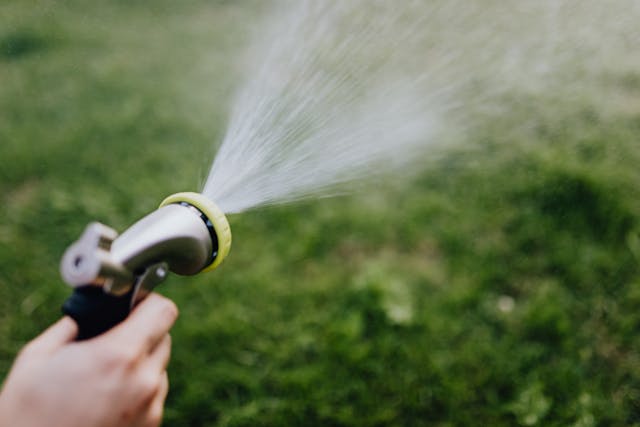
Water use is another key factor, especially in regions prone to summer heat or drought. Instead of watering shallowly and frequently, established landscaping best practices recommend deep, infrequent watering that encourages plant roots to grow down into moisture reserves. Installing rain sensors or using drip irrigation systems can optimize watering efficiency and reduce waste.
Rain gardens are a popular landscaping feature that captures and filters stormwater runoff, reducing erosion and helping local waterways stay cleaner. These features use native, water-tolerant plants in low spots to absorb excess rain, turning a landscaping challenge into a functional, attractive solution.
Hardscaping: The Functional Side of Landscaping
Not all landscaping is about plants. Hardscaping—the use of paths, patios, retaining walls, and other non-plant elements—adds structure and utility to your outdoor space. A well-placed patio becomes an outdoor living room; stone pathways guide visitors through garden spaces; retaining walls stabilize slopes and define garden beds.
Selecting materials for hardscape features should consider durability, maintenance, and aesthetics. Natural stone, brick, and permeable pavers are popular because they blend well with plantings and can withstand varying weather conditions. Permeable pavers in particular are gaining popularity for their ability to reduce runoff by allowing water to seep into the ground.
Seasonal Planning and Maintenance
Good landscaping takes into account the changing seasons. Designing with seasonal interest in mind means selecting plants that bloom at different times, have striking foliage in autumn, or provide structure in winter. This approach ensures your yard always has visual appeal, even in colder months.
Maintenance should be considered early in the planning stages. While low-maintenance designs are attractive to many homeowners, every landscape requires some level of care—pruning, mulching, and weeding are part of keeping a landscape healthy. Choosing plants that are well-suited to your local climate and soil reduces the amount of ongoing work needed.
Landscaping and Community Impact
Beyond individual properties, thoughtful landscaping contributes to neighborhood character and environmental quality. Green, well-planned yards can reduce urban heat islands, improve air quality, and support local wildlife corridors. When neighbors share landscaping ideas or participate in community gardening efforts, the collective impact can be significant.
Landscaping isn’t just about pretty gardens—it’s about creating functional outdoor spaces that work with nature, support well-being, and reflect personal style. With the right planning and care, your yard can become a space that’s both beautiful and environmentally responsible.